


Educationists and school administrators in Mityana District have expressed concern over the sharp decline in pupil enrolment in government-aided schools, citing crumbling infrastructure, staff shortages, and poor sanitation as the main causes driving parents to private schools.
At St. Paul Kajoji Primary School in Kikandwa Subcounty, the situation mirrors a broader crisis in the district’s public education sector.
The school, established in the 1990s and one of only two government-aided institutions in the area, is now in a state of disrepair.
“Most of our classrooms leak whenever it rains, walls are cracked, and we conduct lessons in unsafe conditions,” said Ronald Kikaawa, the headteacher of St. Paul Kajoji Primary School.
He added that the school’s staffing gap has worsened the situation. With an enrolment of about 400 pupils, the school operates with only five teachers—far below the government’s recommended teacher-pupil ratio.
“We are overwhelmed,” Kikaawa said. “Five teachers cannot effectively handle over four hundred learners. The quality of learning is greatly affected.”
Sanitation facilities at the school are equally deplorable. Pupils and staff share one pit latrine, posing serious health and hygiene risks.
“The sanitation challenge is a ticking time bomb. We are worried about possible disease outbreaks,” Kikaawa warned.
A similar situation exists at St. Kizito Mirembe Primary School in Kalangalo Subcounty, where old, worn-out classrooms and a shortage of teachers have made learning extremely difficult.
“Our pupils sit in congested, crumbling classrooms, and the few available teachers are stretched beyond capacity,” said headteacher John Zizanya.
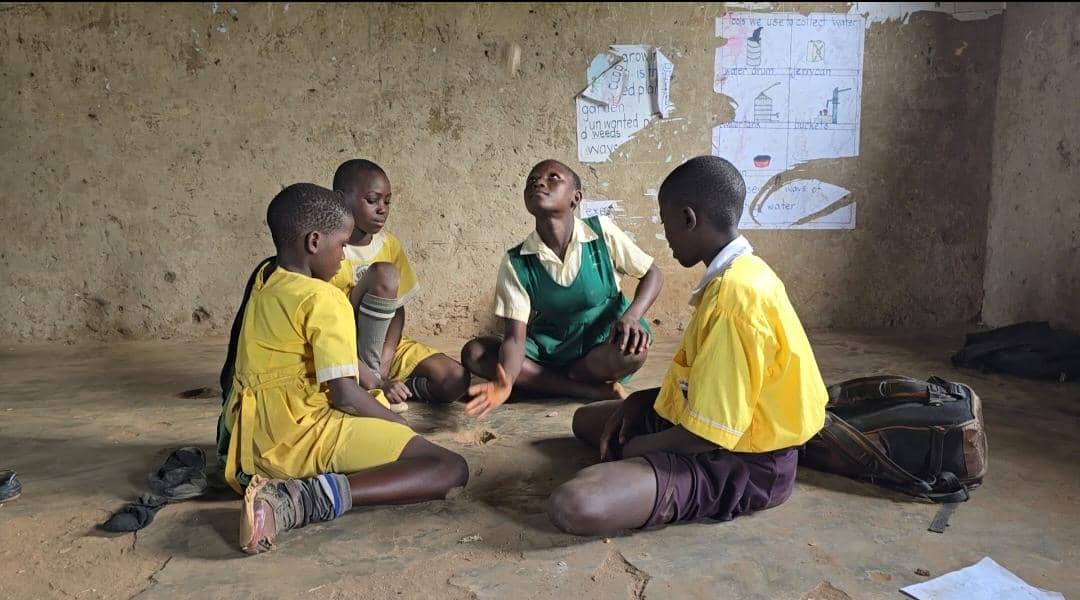
Local leaders in Kalangalo Subcounty say parents have tried to support the schools through small community contributions but lack the financial means to make lasting improvements.
“Parents have the goodwill, but they simply cannot raise enough money to rebuild classrooms or construct new toilets,” said Lule Matovu, the LC3 Chairperson of Kalangalo Subcounty.
The Mityana District Inspector of Schools, Hammidu Kifampa, admitted that the challenges are widespread across the district and called for urgent government intervention.
“Most of our government-aided schools face similar constraints,” he said. “We are trying our best to assess the situation and prioritize schools in the most urgent need.”
Mityana District has 119 government primary schools and 11 government secondary schools, many of which face similar problems—dilapidated buildings, inadequate staffing, and poor sanitation.
As enrolment continues to fall, education stakeholders fear that the district’s public schools could lose even more learners to private institutions unless urgent measures are taken to improve facilities and restore confidence in the government education system.
